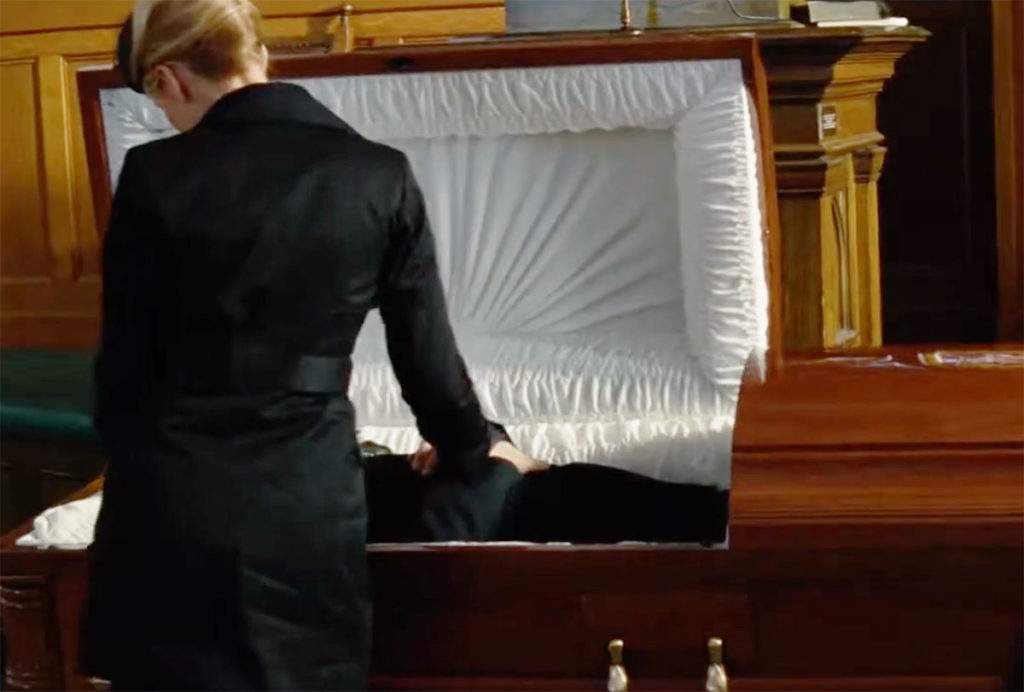
When a Disney adult says, “It’s like watching the corpse of a loved one get beaten,” they’re not speaking metaphorically for attention. They’re expressing a deep, visceral grief over how Hollywood—especially Disney—is handling beloved franchises. This isn’t just about bad movie reviews or box office dips. It’s about identity, nostalgia, and the erosion of cultural touchstones that shaped a generation.
And now, with sweeping studio changes—rushed reboots, soulless remakes, cost-cutting measures, and boardroom-driven creative decisions—those same fans are vocalizing a collective sense of mourning. Hollywood keeps poking the corpse, and Disney adults are done watching.
Who Are Disney Adults, Really?
The term “Disney adult” often gets mocked. It’s tossed around to describe 30-somethings in Mickey ear hats, collecting Funko Pops, and vacationing at Disneyland more than their own hometowns. But the reality is more nuanced.
Disney adults aren’t just fans of cartoons. They’re people for whom Disney was a refuge—childhood comfort during hard times, a sense of magic in an increasingly cynical world. For many, Disney wasn’t entertainment. It was emotional scaffolding.
“When I watch a new version of Hercules that erases everything I loved—the music, the humor, the heart—it doesn’t just disappoint me. It feels like a betrayal,” says Mara, a 34-year-old teacher and longtime Disney fan.
These aren’t irrational tantrums. They’re responses to rapid, top-down changes in how studios treat legacy IP. And Disney, as the most visible steward of childhood nostalgia, is taking the brunt of the backlash.
The Death of Creative Stewardship
The core of the anger isn’t just what Hollywood is doing—it’s how they’re doing it.
Studios used to operate with a sense of custodianship. Franchises were protected. Reboots were rare and carefully considered. Now? IP is treated like inventory. It’s mined, repackaged, and fast-tracked to streaming platforms with minimal creative oversight.
Disney’s recent moves highlight the problem:
- Live-action remakes with no narrative purpose – The Little Mermaid, Aladdin, Mulan—all technically competent, but emotionally hollow. They replicate scenes beat-for-beat, afraid to innovate or stray from the original. The result? Uncanny nostalgia without the soul.
- Cannibalizing legacy content – Lilo & Stitch is getting a “reimagining” with no input from original creator Chris Sanders. Splash is being remade with zero cultural relevance to the original’s 1980s charm. These aren’t expansions. They’re grave robbing.
- Killing theatrical magic for streaming metrics – Pinocchio (2022), directed by Robert Zemeckis, was critically panned and immediately dumped on Disney+. No marketing, no fanfare. Just… gone. Fans paid for a subscription to watch a movie they didn’t want, made from a story they already loved.
This isn’t filmmaking. It’s content assembly.
Why Disney Adults Are the Canary in the Coal Mine
Disney adults aren’t just mad about movies. They’re reacting to a broader shift in how media is made and valued.
Hollywood’s new playbook prioritizes speed, scalability, and shareholder returns over artistry, continuity, and audience respect. And because Disney owns so much of the cultural imagination—from Star Wars to Marvel to Pixar—its missteps feel amplified.

Consider the Indiana Jones franchise. Dial of Destiny was marketed as a “passing of the torch,” but fans felt it was a desperate attempt to extend a 40-year-old series with a visibly exhausted Harrison Ford. The film underperformed, yes—but worse, it left longtime fans feeling alienated.
Or look at Ahsoka, the Star Wars series. Critical acclaim aside, longtime fans noticed the writing was increasingly convoluted, reliant on decades-old lore that new viewers can’t access. It’s not welcoming. It’s gatekeeping with a streaming login.
And let’s not forget the Snow White remake, which sparked outrage over casting choices and the sidelining of the iconic Evil Queen. Fans weren’t lashing out at diversity—they were angry that the story’s moral core was being sanitized to fit a corporate template.
“They’re not honoring the stories. They’re extracting value from them,” says James, a podcaster who runs a Disney nostalgia channel with over 100K subscribers.
The Streaming Crunch and Its Human Cost
Behind the scenes, the pressure is escalating.
Studios are in a cost-cutting spiral. Disney laid off thousands in 2023. Production budgets are tighter. Writers and directors are given less time, fewer resources, and more notes from executives who’ve never made a film.
The result? Creative burnout. Rushed decisions. Projects greenlit not because they’re good, but because they’re “safe.”
Take the Lizzie McGuire reboot that was abruptly scrapped. It was meant to follow Liz in adulthood—but reportedly clashed with Disney’s brand. Too real. Too messy. Too human.
Instead, we get polished, algorithm-approved content that feels like it was generated by committee.
And fans can tell.
This isn’t just hurting trust. It’s killing loyalty. Disney+ subscriptions are stalling. Theatrical releases are underperforming. And the people who once camped out for Frozen 2 tickets are now posting memes with captions like: “I used to believe in fairy tales. Now I just believe in stock buybacks.”
Nostalgia Isn’t the Problem—Exploitation Is
Let’s be clear: no one is saying franchises should never be revisited.
Great reboots exist—Battlestar Galactica, Planet of the Apes, even Star Trek (2009)—because they respected the source material while daring to evolve it.
The issue isn’t nostalgia. It’s nostalgia exploitation.
Hollywood isn’t asking, “How can we honor this story for a new generation?” They’re asking, “How fast can we monetize this IP before the audience tunes out?”
And Disney adults, who’ve spent decades emotionally investing in these worlds, are the first to feel the sting.
Consider Hocus Pocus 2. It wasn’t groundbreaking. But it worked because it respected the original. It brought back the cast. It kept the goofy, spooky charm. It felt like a gift, not a transaction.
Compare that to Peter Pan & Wendy, which was bland, forgettable, and completely missed the magic of the original. No joy. No wonder. Just another asset checked off the content calendar.
The Creative Reckoning Hollywood Can’t Ignore
The backlash isn’t going away.
If anything, it’s spreading beyond Disney adults to include general audiences, critics, and even industry insiders.

- Audiences are voting with their attention – Box office failures like The Flash and Indiana Jones signal fatigue.
- Critics are calling out the emptiness – Review aggregators show declining scores for reboots and sequels.
- Talent is speaking up – Directors like Patty Jenkins and James Gunn have publicly criticized studio interference.
And Disney isn’t the only culprit. Universal’s rushed The Mummy reboot. Warner Bros.’ chaotic Batgirl cancellation. Sony’s endless Jumanji sequels. The pattern is clear: studios are prioritizing IP over imagination.
But there’s a path forward.
What Hollywood Needs to Do Differently
Hollywood doesn’t need to stop using existing IP. It needs to treat it with care.
Here’s how:
- Involve original creators when possible – Bring back writers, composers, animators. Their insight is irreplaceable.
- Allow reboots to take risks – Not every remake should be a carbon copy. Let directors reinterpret.
- Honor continuity – Longtime fans deserve consistency. Don’t retcon decades of lore for a quick plot twist.
- Invest in original stories – Not everything needs to be a sequel. Take creative chances.
- Listen to the fans—not just the metrics – Engagement isn’t just data. It’s emotion, memory, belonging.
Disney once knew this. WandaVision worked because it understood MCU lore and played with format. Andor succeeded because it took risks and trusted its audience.
The tools for success are there. What’s missing is the will.
The End of the Magic Factory?
When a Disney adult says it feels like “watching the corpse of a loved one get beaten,” they’re not exaggerating. They’re grieving.
They’re mourning the loss of wonder. The replacement of art with algorithms. The death of storytelling that meant something.
And they’re not alone.
Hollywood stands at a crossroads. It can keep grinding its legacy IP into dust, chasing short-term gains, or it can recommit to the craft of storytelling—slow, human, imperfect, but alive.
Because fans don’t just want content.
They want magic.
And magic can’t be scheduled on a quarterly earnings call.
FAQ
Why are Disney adults so upset about reboots? Because these stories shaped their childhoods. Reboots that ignore emotional core or original intent feel like disrespect.
Are all Disney reboots bad? No. Some, like Hocus Pocus 2, succeed by honoring the original. The problem is when reboots are made for profit, not passion.
Is nostalgia blinding fans to good new content? Sometimes. But criticism often stems from legitimate creative failures, not just sentimentality.
Can Hollywood fix this? Yes—by valuing creators, taking risks, and treating IP as stories, not products.
Are streaming services making things worse? In many ways, yes. The demand for constant content leads to rushed, low-effort projects.
Should studios stop making reboots altogether? No—but they should make them with purpose, care, and creative integrity.
What’s an example of a good reboot? Battlestar Galactica (2004) reimagined the original with depth, relevance, and bold storytelling—setting a high bar.
FAQ
What should you look for in Disney Adults React to Hollywood's Latest Studio Shifts? Focus on relevance, practical value, and how well the solution matches real user intent.
Is Disney Adults React to Hollywood's Latest Studio Shifts suitable for beginners? That depends on the workflow, but a clear step-by-step approach usually makes it easier to start.
How do you compare options around Disney Adults React to Hollywood's Latest Studio Shifts? Compare features, trust signals, limitations, pricing, and ease of implementation.
What mistakes should you avoid? Avoid generic choices, weak validation, and decisions based only on marketing claims.
What is the next best step? Shortlist the most relevant options, validate them quickly, and refine from real-world results.